
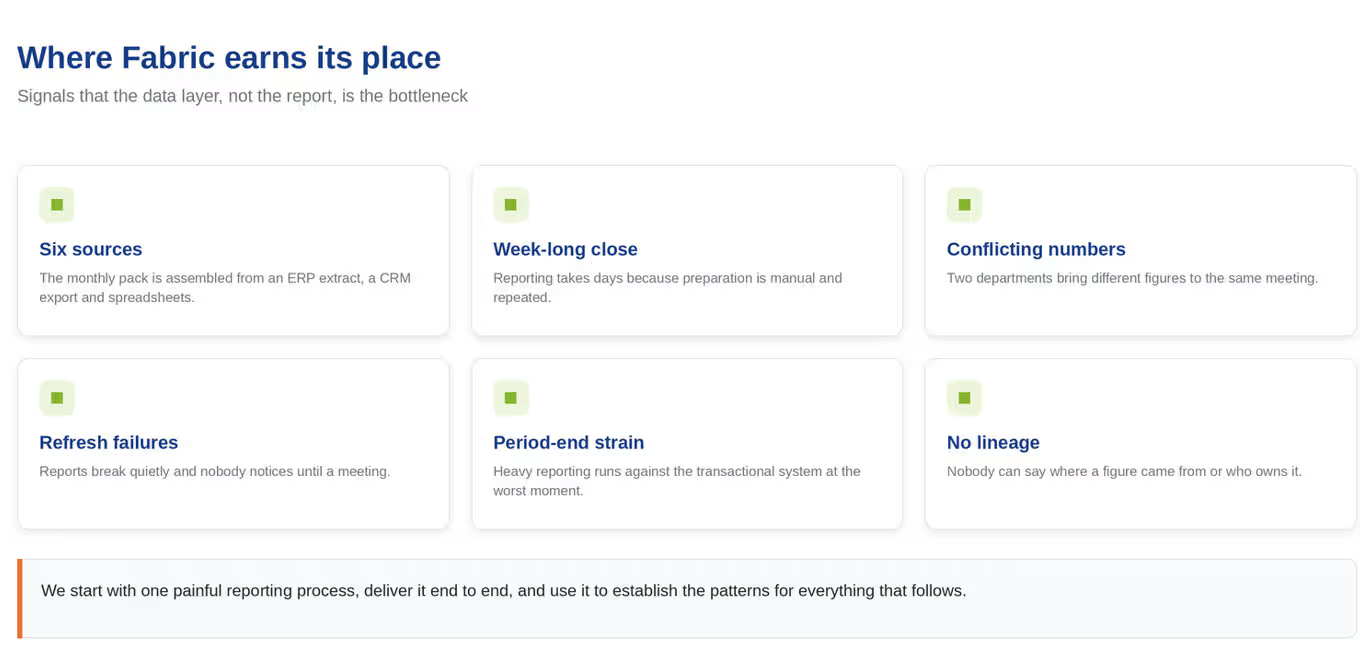
Power BI made dashboards easy. It did not make data easy. Most organisations still assemble their reporting from an ERP extract, a CRM export, a warehouse database, a few Excel files and whatever the finance team maintains privately — and the monthly pack takes a week because of it.
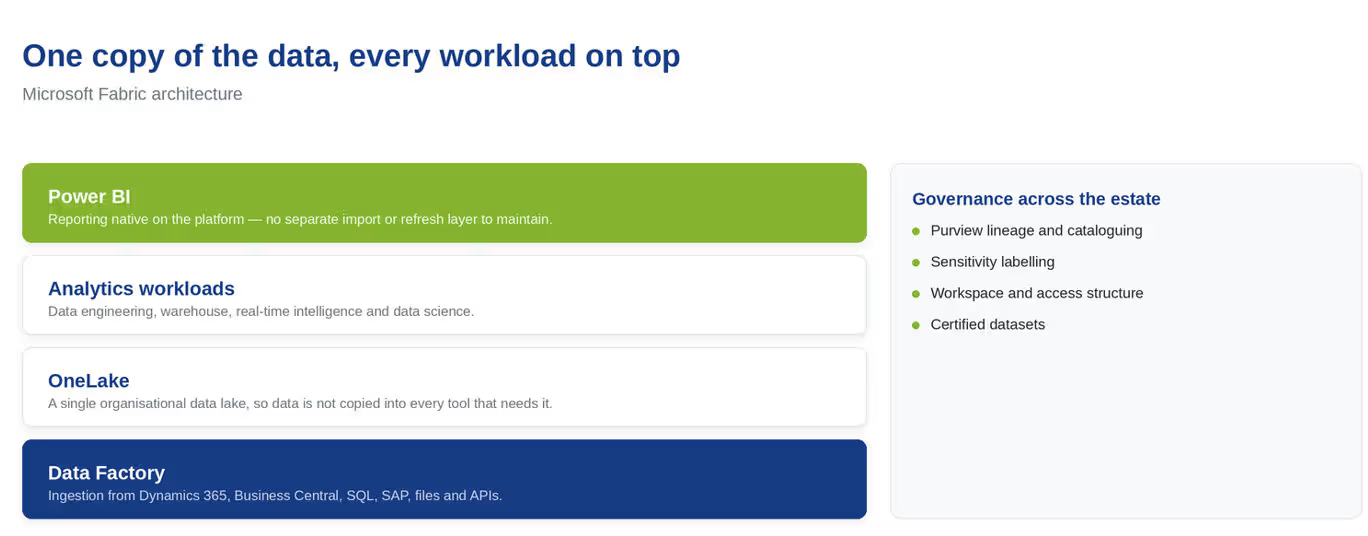
Microsoft Fabric addresses the layer underneath. It brings data engineering, warehousing, real-time analytics, data science and Power BI into a single governed platform on one copy of the data, held in OneLake.
What Fabric brings together
OneLake — a single organisational data lake, so the same data is not copied into every tool that needs it.
Data Factory pipelines for ingestion from Dynamics 365, Business Central, SQL, SAP, flat files and APIs.
Lakehouse and warehouse workloads, so engineering and SQL teams work in the tools they already know.
Real-time intelligence for operational data that cannot wait for a nightly refresh.
Power BI natively on top, with no separate import or refresh layer to maintain.
Purview-based governance, lineage and sensitivity labelling across the whole estate.
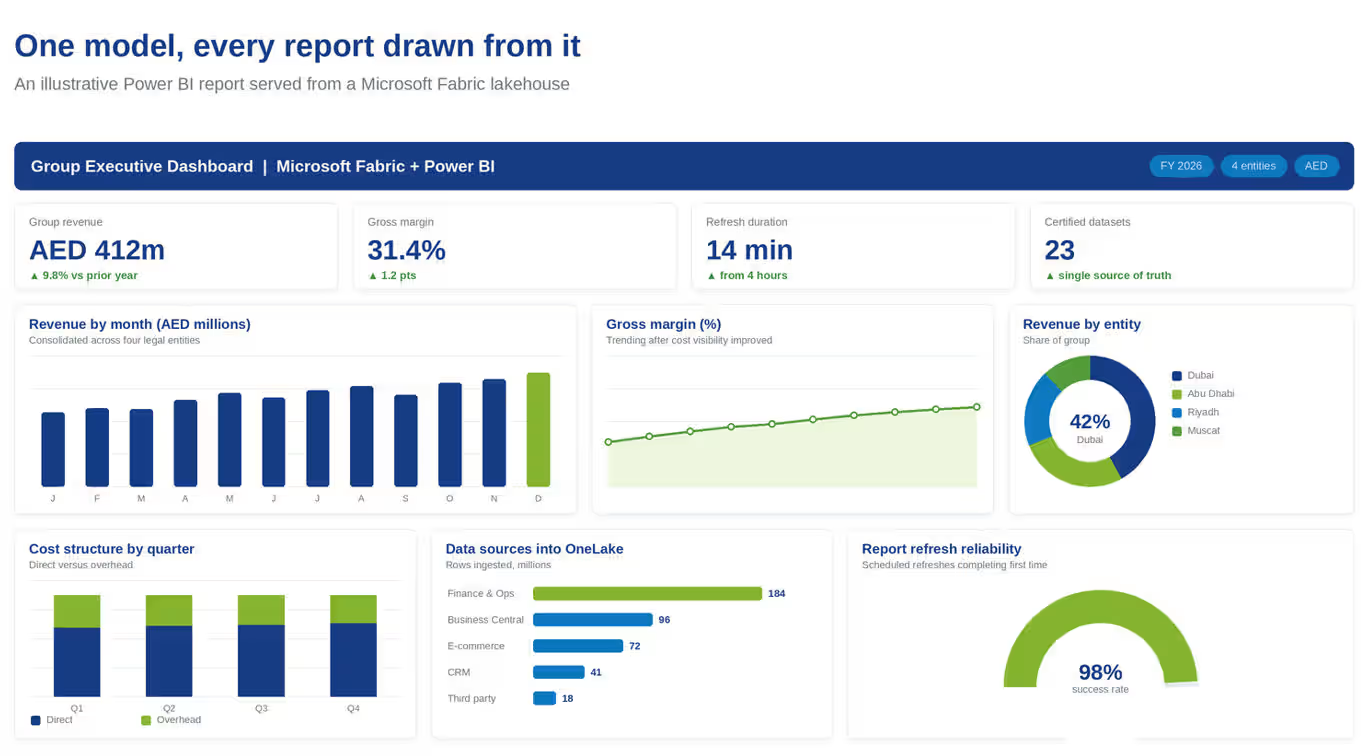
The Dynamics 365 link
For organisations already running Dynamics 365 Finance, Supply Chain or Business Central, Fabric is the natural analytics destination. Link to Fabric brings ERP data into OneLake without building and maintaining custom extraction jobs, and without the performance cost of reporting directly against the transactional system.
That matters most at period end, when the finance team needs the system responsive and the reporting heavy at the same time.
Where to start
Fabric rewards a narrow first project. We usually begin with one painful reporting process — the monthly management pack, consolidated group reporting, or inventory and margin analysis — and deliver it end to end. That proves the platform, establishes the patterns, and gives the business something it can immediately stop doing manually.